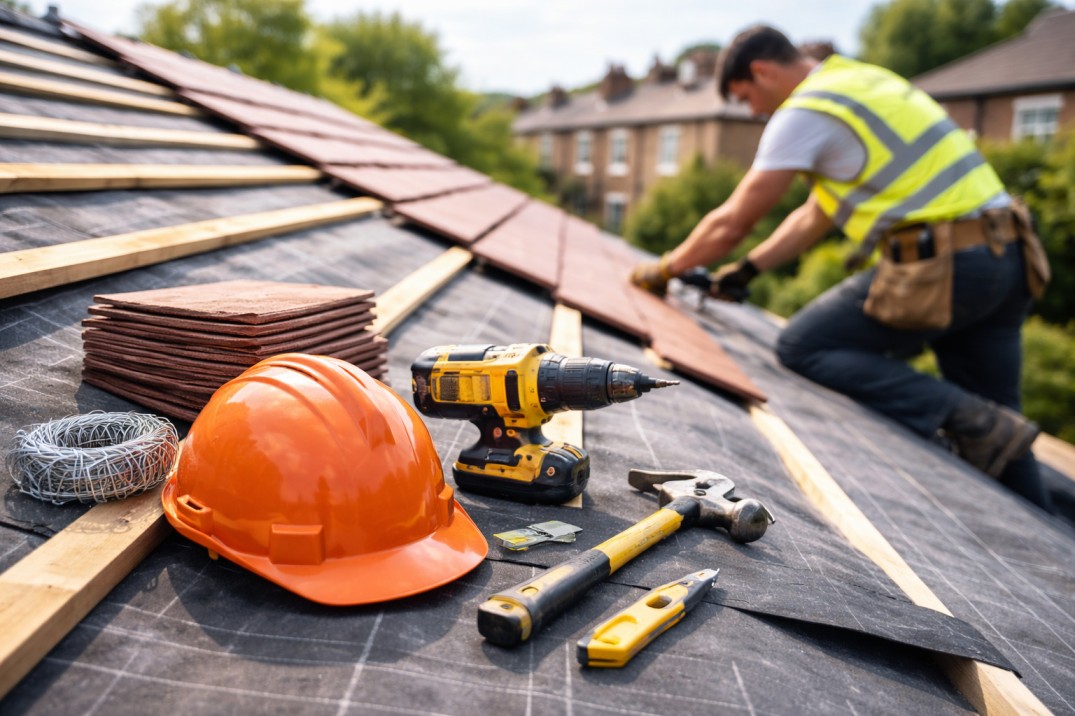
Roof installation is one of the most important investments a homeowner can make. Whether you’re building a new property or replacing an ageing roof, the quality of the installation will directly affect your home’s safety, energy efficiency, and long-term costs.
Unfortunately, many roofing issues in the UK don’t come from bad materials — they come from poor roof installation decisions. This guide shares seven essential tips every homeowner should know before starting a new roof installation, helping you avoid costly mistakes and choose the right professionals for the job.
Why Proper Roof Installation Matters
A professional roof installation can help your roof to last decades. A poorly installed one can start leaking within months.
In the UK, roofs must withstand:
Heavy rainfall
Strong winds
Seasonal temperature changes
Damp and moisture buildup
That’s why roof installation isn’t just about appearance — it’s about structural protection, insulation, and long-term value.
1️⃣ Choose the Right Roofing Material for Your Property
One of the biggest decisions during roof installation is selecting the right material. Not all roofing materials perform the same, especially in UK weather conditions.
Common roofing materials in the UK include:
Concrete or clay tiles
Natural slate
Flat roofing systems (felt, GRP, EPDM)
Modern composite materials
Each material has different:
Lifespans
Costs
Maintenance requirements
Suitability for certain roof structures
For example, slate roofs are durable and attractive but heavier, while flat roofs require specialist installation to prevent water pooling. Choosing the wrong material can reduce your roof’s lifespan and increase repair costs later.
Tip: Always discuss material options with experienced roofing contractors who understand local conditions.
2️⃣ Hire Experienced and Local Roofing Contractors
Roof installation is not a DIY project. Hiring skilled and experienced roofing contractors in the UK is essential for a safe and compliant installation.
Local roofing contractors offer key advantages:
Knowledge of local building regulations
Experience with regional weather conditions
Faster response times
Easier aftercare and support
Professional roof installation teams also follow correct safety standards, use proper fixing methods, and ensure the roof structure is suitable before work begins.
Avoid choosing a roofer based on price alone. Extremely cheap quotes often lead to shortcuts, poor workmanship, and expensive repairs in the future.
3️⃣ Understand Roof Installation Costs Before Work Begins
Roof installation costs in the UK can vary depending on:
Roof size and pitch
Material choice
Access and scaffolding requirements
Structural repairs needed
Labour and project duration
A new roof installation is a long-term investment, not just a short-term expense. Always request a clear, written quotation that explains:
What work is included
Materials being used
Estimated timelines
Warranty details
This transparency helps you compare quotes fairly and avoid unexpected costs once the project is underway.
4️⃣ Don’t Skip Roof Inspections and Structural Checks
Before any roof installation begins, the existing roof structure must be inspected thoroughly.
This includes checking:
Roof decking and battens
Timber condition
Insulation levels
Signs of rot or water damage
In some cases, homeowners assume they need a simple replacement when deeper structural issues exist. Understanding whether you need a full roof installation or partial roof replacement can save time, money, and future headaches.
A professional roofer will identify these issues early and recommend the right solution.
5️⃣ Ensure Proper Ventilation and Insulation
Ventilation and insulation are often overlooked during roof installation — yet they play a huge role in a roof’s performance.
Proper ventilation helps:
Prevent condensation
Reduce damp and mould
Extend roof lifespan
Good insulation improves:
Energy efficiency
Indoor comfort
Heating cost savings
Without proper ventilation, even a well-installed roof can suffer from trapped moisture, leading to internal damage over time. A professional roof installation should always account for airflow and insulation standards.
6️⃣ Avoid Common Roof Installation Mistakes
Even small mistakes during roof installation can cause major problems later.
Common roof installation mistakes include:
Poor flashing around chimneys and vents
Incorrect tile alignment
Inadequate fixing or fastening
Rushed workmanship
Ignoring manufacturer guidelines
These issues may not be visible immediately but often result in leaks, loose tiles, and premature roof failure. Choosing experienced roofing contractors greatly reduces the risk of these costly errors.
7️⃣ Confirm Warranties, Insurance, and Aftercare
Before agreeing to a roof installation, always confirm:
Workmanship warranty
Material manufacturer warranties
Public liability insurance
After-installation support
Reliable roofing contractors in the UK will have no issue providing this information. Warranties and insurance protect you financially and show that the company stands behind its work.
Aftercare is equally important — knowing who to contact if issues arise gives peace of mind long after the installation is complete.
Roof Installation Checklist for Homeowners
Before starting your project, make sure you:
✔️ Choose suitable roofing materials
✔️ Hire experienced local roofing contractors
✔️ Understand full roof installation costs
✔️ Inspect the roof structure
✔️ Confirm ventilation and insulation
✔️ Avoid rushed or cheap installations
✔️ Secure warranties and insurance
Final Thoughts: Making the Right Roof Installation Decision
Roof installation is a major decision that affects your home’s safety, comfort, and value for decades. Taking the time to plan properly, choose the right materials, and hire professional roofing contractors can save you significant stress and expense in the future.
If you’re considering a roof installation or need expert advice from experienced local roofers, it’s always best to speak with professionals who understand UK roofing standards and conditions.